Nashville Home Repair & Maintenance Services
Nashville's tornado outbreaks, spring storms, and rapid growth keep independent contractors in high demand across Middle Tennessee. Compare quotes from independent Nashville contractors and know the fair price before you hire.
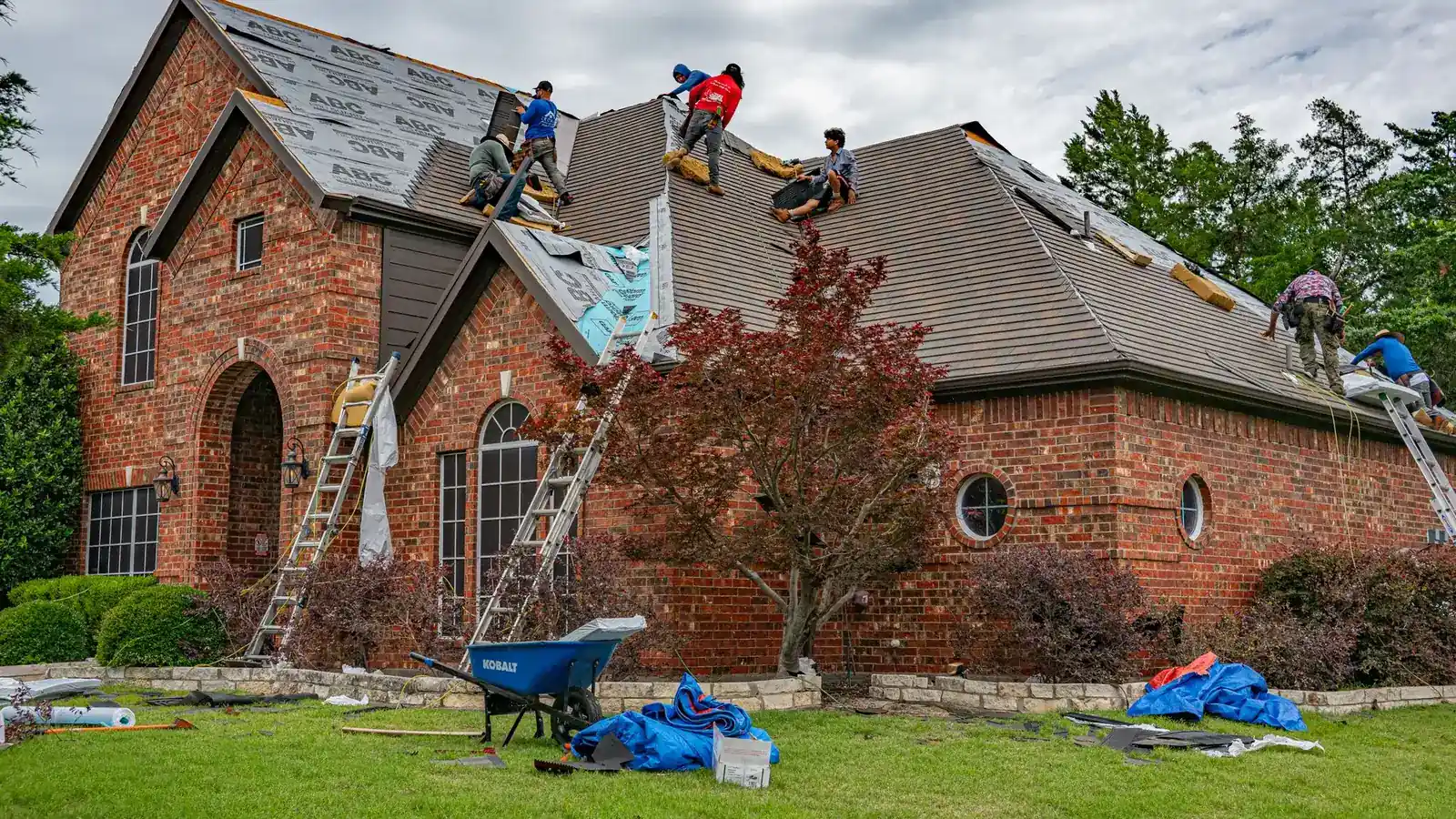
Popular services in Nashville
Roofing in Nashville
Roof leak repair · Full roof replacement
Local prices →HVAC in Nashville
AC repair & recharge · Furnace repair & replacement
Local prices →Plumbing in Nashville
Leak detection & repair · Water heater repair/replace
Local prices →Water Damage in Nashville
Emergency water extraction · Structural drying
Local prices →Pest Control in Nashville
Termite treatment & bonds · General pest (ants, roaches, spiders)
Local prices →Air Duct Cleaning in Nashville
Full HVAC duct cleaning · Dryer vent cleaning
Local prices →Gutters in Nashville
Seamless gutter installation · Gutter guards & covers
Local prices →Solar Relief in Nashville
Orphaned system repair & service · Solar lease & PPA review
Local prices →More services
What home services cost in Nashville, TN
Typical ranges reported for Nashville, TN projects. Your quote depends on home size, materials, and access — compare at least three.
| Project | Typical local range |
|---|---|
| Roof leak repair | $350 – $1,400 |
| Full roof replacement | $8,000 – $16,000 |
| AC repair | $200 – $1,600 |
| Water heater replacement | $1,200 – $3,500 |
| Drain clearing | $130 – $500 |
| Gutter installation (per lin ft) | $6 – $14 |
What Nashville homeowners deal with
Home to roughly 689,000 residents in Davidson County, Nashville has a repair market shaped by its own housing stock and weather exposure. Nashville sits in Middle Tennessee's severe weather corridor — the 2020 tornado and repeated straight-line wind events are recent memory, not history. A building boom layered new infill over Victorian-era and mid-century neighborhoods, so storm-readiness questions apply to every vintage of roof and system in the metro. That context is why the same project can be quoted thousands of dollars apart — and why comparing bids from contractors who work Nashville every week beats taking the first number.
Before you hire for home repair in Nashville: local rules that change the quote
Checked November 17, 2026 against Metro Nashville and State of Tennessee sources (listed below). Rules change, so confirm with the office named for your project.
1. The license depends on the size of the job
Davidson County adopted Tennessee's home improvement law, which most Tennessee counties have not. That means a residential repair or remodeling job from $3,000 to $24,999, including roofing, painting, fences, driveways, porches and garages, requires a Home Improvement license from the Tennessee Board for Licensing Contractors. The license requires a $10,000 surety bond (or equivalent security) plus general liability and workers' compensation insurance. A job of $25,000 or more needs a full Board contractor license, whatever the county. Look up the exact license number a bidder gives you at verify.tn.gov, and make sure the name on the license matches the name on the contract.
2. Which Nashville repairs need a Metro permit
Metro Codes and Building Safety publishes a renovation chart for one- and two-family homes. A few common items from it:
| Project | Metro permit? |
|---|---|
| Gutters and downspouts, painting, floor refinishing, new insulation | No |
| Window glass replacement; door replacement in the same opening | No |
| Changing a window's size or style; a new door opening | Building permit |
| Drywall repair or replacement over 100 sq ft; removing any wall | Building permit |
| Replacing joists, rafters, studs, or more than 64 sq ft of roof decking | Building permit |
| Roofing: a new layer, or replacing more than one-third of the roof | Listed as permit work (see note) |
| Replacing an HVAC unit or other gas/mechanical appliance (repairs excluded) | Gas/mechanical permit |
| Relocating a plumbing fixture; moving an outlet, switch or light | Plumbing or electrical permit |
Roofing note: Metro Code 16.28.030 calls replacing the roof on an existing one- or two-family home normal maintenance that does not need a permit, while the renovation chart lists a new layer or replacing more than one-third of the roof as permit work. Ask the roofer to confirm the requirement for your job with Metro Codes and to say in the written quote who pulls the permit, if one is needed. Water heaters: Metro's gas/mechanical code exempts like-for-like replacement of non-vented water heaters under 75,000 Btu/h, so a vented gas unit is a question to put to the plumber. If the house is on septic or in a floodplain overlay, the Health Department or Metro Stormwater may also be involved.
Doing it yourself: an owner who lives in, or will live in, a single-family home can pull their own building permit; for a rental or a home owned through an LLC or trust, self-permits are limited to work under $25,000. The self-permit affidavit makes you the general contractor, and electrical, plumbing and gas/mechanical work still need separate permits.
3. Historic overlays: Germantown, Edgefield, Lockeland Springs and others
Many older Nashville neighborhoods sit under a historic zoning overlay run by the Metro Historic Zoning Commission (MHZC). In historic preservation and historic landmark overlays, exterior repairs and alterations, such as replacing windows or visible roofing, need an MHZC Preservation Permit, and that permit has to be issued before Codes will issue a building permit. The design guidelines generally ask owners to keep historic windows and, when they are beyond repair, to replace them with windows that match the originals' materials, dimensions and design. Neighborhood conservation overlays review new construction, additions, demolition and relocation but not ordinary exterior repairs. Use Nashville's Parcel Viewer (turn on the zoning layer) to see whether your parcel has an overlay whose name starts with "historic." MHZC says work that staff can approve under the guidelines usually gets a permit within about four days of a complete application. Larger projects go to the full commission, so build that time into the schedule.
4. Sewer backups: your line, Metro's easement
Metro Code 15.40.050 makes the property owner responsible for the sewer service line from the house all the way to the public main. Metro Water's sewer line policy sets the order. First, a licensed plumber tries to clear the line and runs a camera if it comes back. If the plumber can't clear it, you can request Metro Water emergency service. You sign a waiver, and if the defect is in the part of the line inside Metro's easement, Metro may clean or repair that section, and residential customers are not billed for that repair. If there is no cleanout in the easement, the owner's plumber digs and opens the line at the easement line, so call 811 before anyone digs. Wet flooring and drywall inside the house are a separate water damage job. Keep the plumber's invoice and camera findings for your insurer.
Nashville home maintenance calendar
Nashville gets hot, humid summers, spring severe weather (the March 3, 2020 tornado crossed North Nashville, Germantown, East Nashville and Donelson) and occasional hard freezes. Many homes also sit over crawl spaces. This schedule catches most problems before they become emergencies:
| When | What to check | Related guide |
|---|---|---|
| Late winter / early spring | Roof covering, flashing and attic for leaks; clear gutters and make sure downspouts drain away from the foundation before storm season | Roof inspection checklist · Gutters in Nashville |
| After any severe storm | Photograph damage with the date, then get an inspection; verify a storm-chasing crew's Tennessee license before signing | Storm damage and insurance · Roofing in Nashville |
| April–May | Air conditioner service before peak cooling demand; replace filters; clear the condensate line | HVAC maintenance checklist · HVAC in Nashville |
| Summer | Crawl space moisture and vapor barrier; look for termite mud tubes on foundation walls | Termite warning signs · Pest control in Nashville |
| Fall | Gutters after leaf drop; furnace or heat pump check; seal gaps around pipes and wires entering the house | Are gutter guards worth it? |
| Before a hard freeze | Insulate pipes in crawl spaces and exterior walls, disconnect hoses, know where the main water shutoff is | Burst pipe: what to do · Plumbing in Nashville |
| Every year | Test the water heater's relief valve and look for rust or leaks at the base | Water heater leaking · Plumbing cost guide |
Budgeting for a bigger job? Compare our HVAC replacement cost guide and roofing cost guide with the Nashville ranges above, and use these questions when you interview contractors.
Sources: Tennessee Board for Licensing Contractors: Home Improvement license; Metro Codes: renovating a single-family residence; Metro Code ch. 16.28 (building permits); MHZC: Preservation Permit; Metro Water Services sewer line policy. United Home Care Pros is a referral service and does not perform work; independent contractors confirm pricing, scope and availability.
Nearby cities we serve
Frequently asked questions
Why do quotes vary so much between Nashville contractors?
Backlog, overhead, crew quality, and how the contractor prices risk. A company booked solid quotes high; one with a gap next week sharpens the pencil. Neither number tells you about workmanship — which is why checking references and comparing at least two written, line-item quotes against typical Nashville ranges is the reliable approach.
How far in advance should I book a contractor in Nashville?
For non-emergency work, two to four weeks is typical; established crews in Nashville book out further during peak season and after major storms. Emergencies — active leaks, no cooling in summer, water intrusion — get same-day or next-day response from companies that reserve capacity for them, usually at a premium worth paying.
Do I need a permit for home repairs in Nashville?
For most addresses in Nashville-Davidson County, permits come from Metro Codes and Building Safety. Its renovation chart says gutters, floor refinishing, painting, insulation and window glass replacement need no permit, while removing a wall, replacing more than 100 square feet of drywall, changing a window's size, or replacing structural framing does. Replacing (not repairing) an HVAC unit needs a gas/mechanical permit, and electrical and plumbing work need their own permits. For roofs, Metro Code treats re-roofing a one- or two-family home as normal maintenance, but the Codes renovation chart lists a new layer or replacing more than one-third of the roof as permit work, so have the roofer confirm with Metro Codes and put the permit in the written scope.
How does humidity affect homes in Nashville?
Sustained humidity accelerates roof algae streaking, stresses air conditioners with heavy dehumidification loads, promotes crawlspace moisture problems, and shortens exterior paint life. Ventilation, drainage, and correctly sized HVAC matter more in Nashville's climate than in drier markets — worth raising with any contractor you interview.
Will homeowners insurance pay for repairs in Nashville?
Policies generally cover sudden, accidental damage — a storm-damaged roof or a burst pipe — but not wear-and-tear or long-deferred maintenance. Coverage terms, deductibles, and exclusions vary widely by carrier and policy, especially in Tennessee. Document damage with photos immediately, review your specific policy, and get an independent repair quote before assuming what your claim should cover.
What home services are available in Nashville?
Homeowners in Nashville can compare local pricing and request quotes for roofing, HVAC, plumbing, water damage restoration, gutters, pest control, and more than a dozen other services — each with typical Tennessee price context published up front.
How many quotes should I get in Nashville?
Two at minimum, three when the job is over a few thousand dollars. Quotes for identical work in Nashville routinely spread 30–50% apart depending on each contractor's backlog, overhead, and how badly they want the job. Our published price ranges give you the yardstick to judge every number you receive.
How do I check a contractor's credentials in Nashville?
Verify the license number with the Tennessee licensing authority, ask for a current certificate of insurance naming general liability and workers' compensation, and get references from jobs completed in the Nashville area within the last year. A reputable pro provides all three without hesitation.
Does a Nashville contractor need a license for a $5,000 job?
Usually, yes. Davidson County is one of the Tennessee counties that adopted the state home improvement law, so residential repair and remodeling jobs from $3,000 to $24,999 (roofing, painting, fences, driveways, porches and similar work) need a Home Improvement license from the Board for Licensing Contractors. Jobs of $25,000 or more need a full contractor license. Ask for the license number and look it up at verify.tn.gov before you sign.
Who fixes a sewer backup in Nashville, me or Metro Water?
Under Metro Code 15.40.050 the property owner owns and maintains the sewer service line from the house to the public main. Metro Water's sewer line policy says to call a licensed plumber first; if the plumber cannot clear the line, you can ask Metro Water for emergency service. You sign a waiver, and if the problem is in the part of the line inside Metro's easement, Metro may repair that section without billing residential customers. Cleanup inside the house is a separate restoration job.
Do I need historic commission approval to replace windows or a roof in Nashville?
Only if the house is in a historic overlay. In historic preservation and historic landmark overlays, the Metro Historic Zoning Commission reviews exterior repairs and alterations, including window replacement and visible roofing, and its Preservation Permit must be issued before a building permit. Neighborhood conservation overlays review new construction, additions, demolition and relocation. Check your parcel on Nashville's Parcel Viewer (zoning layer) for any overlay that starts with "historic".
Can I pull my own permit for home repairs in Nashville?
Metro Codes lets an owner who lives in, or will live in, a single-family home pull a building permit to renovate it, and an owner can self-permit work under $25,000 on a rental or a home held in an LLC or trust. The self-permit affidavit makes you your own general contractor, responsible for code compliance and inspections, and electrical, plumbing and gas/mechanical work still need separate permits.
What home maintenance should Nashville homeowners do each season?
Spring: check the roof, gutters and downspouts before and after severe-weather season. Early summer: service the air conditioner before peak cooling demand and look at crawl space moisture. Fall: clean gutters after leaf drop and have the furnace or heat pump checked. Before hard freezes: insulate exposed crawl space and exterior-wall pipes and disconnect garden hoses. The seasonal checklist above has the details.
Ready to compare prices?
Answer a few questions and get matched with independent local pros — or call now for a quote over the phone.
Hiring home service pros in Nashville: common questions
How do I check a contractor's license in Tennessee?
Tennessee licenses contractors through the Board for Licensing Contractors, and some trades and local governments have their own requirements. Ask for the license number and check it with the state before larger repairs.
How many quotes should I get?
Getting at least three written quotes for larger projects makes it easier to spot a missing item or an unusual price. Compare the scope, materials, permits, timeline and warranty, not just the total.
What home repairs are most common in Nashville?
Roofing, HVAC and water damage repairs are common in Nashville, partly because of tornadoes and spring storms. Plan inspections before storm and peak cooling seasons, when contractors get busy.
What are red flags in a contractor quote?
Watch for large cash deposits, pressure to sign the same day, no written scope, no permit when one is required, and an offer to waive your insurance deductible.
Related guides: Roofing in Nashville · HVAC in Nashville · Plumbing in Nashville · Questions to ask a contractor before hiring
United Home Care Pros is a referral service. Independent contractors confirm pricing, scope and availability.